Root Canal Therapy in Denver: What to Expect and How Pain Is Managed
If you've been told you need root canal therapy in Denver, it's normal to feel a little nervous. The good news is that modern root canals are much more comfortable than their reputation suggests, and they're one of the best ways to keep your natural tooth. Here's what to expect, how discomfort is managed, and what recovery looks like.
What Is Root Canal Therapy?
Inside every tooth is soft tissue that helps it grow and develop. When that tissue becomes infected or inflamed, a root canal clears it out and protects the tooth. Many people in Denver put off care because they fear the unknown, so it helps to understand the basics. Root canal therapy is designed to relieve discomfort, not cause it.
Pulp: The soft tissue inside your tooth, made up of nerves and blood vessels. When it's infected, it can cause lingering discomfort and swelling.
Root canals: The tiny channels inside the tooth roots that hold the pulp. During treatment, these are cleaned, shaped, and sealed.
Why Save the Natural Tooth With a Root Canal?
Keeping your own tooth is usually the best option for your bite, your smile, and your long-term oral health. A root canal treats the problem at its source so you can get back to normal life. Benefits include:
- Relief from discomfort: Removing infected tissue stops the source of the ache.
- Preserved natural tooth: You keep your tooth's root and avoid gaps.
- Protection for nearby teeth: Saving the tooth prevents neighboring teeth from shifting.
- Efficient care: Most root canals are completed in one or two visits.
Saving a tooth is often simpler and more affordable than replacing it later.
Signs You May Need a Root Canal
An infected tooth usually sends clear signals. If you notice any of the following, call a dentist in Denver soon:
- Lingering sensitivity to hot or cold
- Throbbing or persistent discomfort when chewing
- A darkening or discolored tooth
- Swelling or tenderness in the gums near a tooth
- A small bump on the gums that may drain
- A cracked or deeply decayed tooth
Sometimes there are no symptoms at all, which is why regular exams and digital imaging are so valuable.
Root Canal Treatment Options and What to Expect
Every tooth is different, so your treatment is tailored to you. Here is the typical path from first visit to finished smile.
1. Exam and Digital Imaging
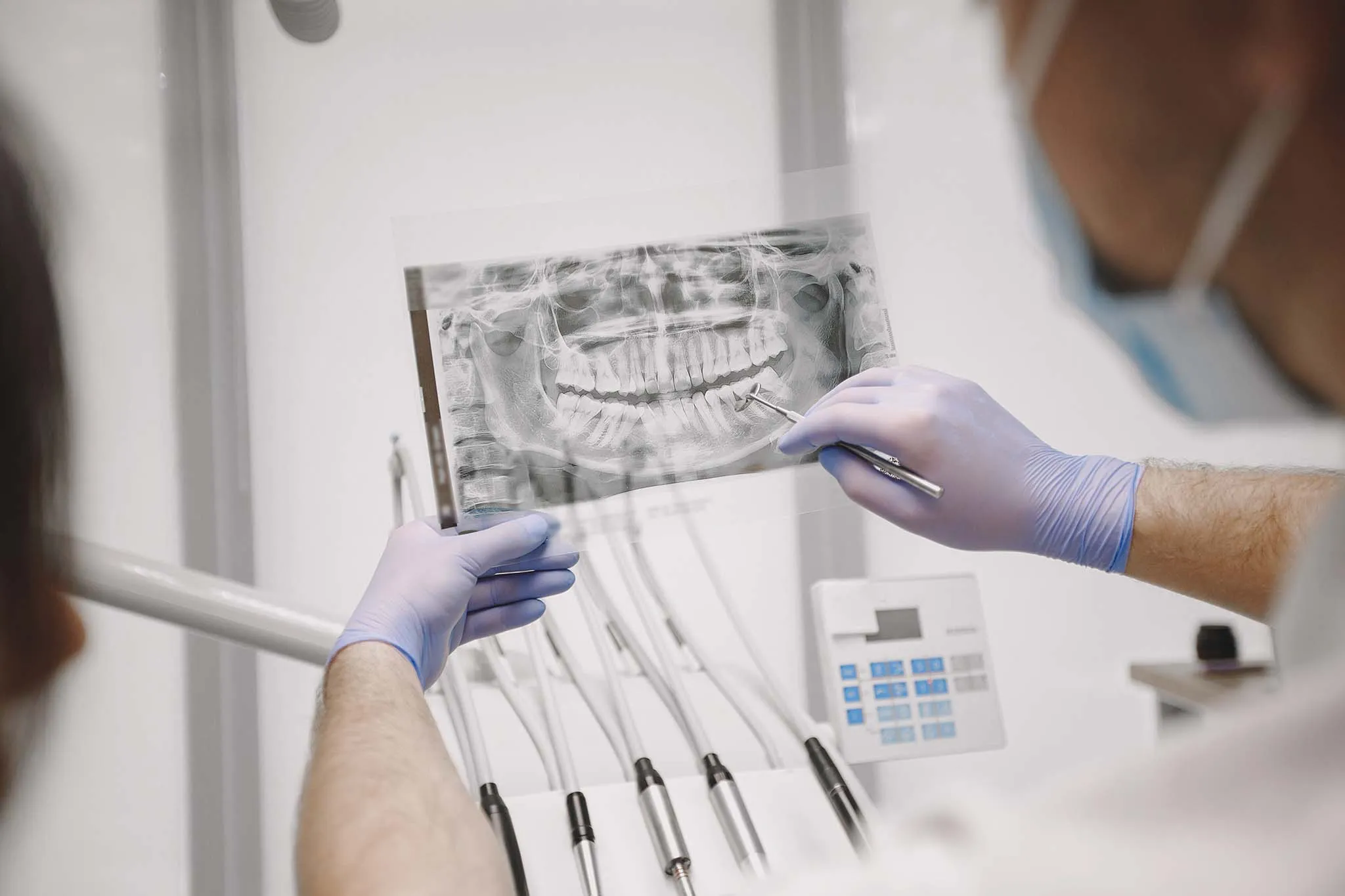
We start with a gentle exam and digital images to see the shape of your roots and the extent of the infection. This lets us build a personalized plan before anything begins.
2. Comfortable Numbing
Your tooth and the surrounding area are numbed so you feel pressure, not discomfort. Many patients say the experience feels similar to getting a filling. Let us know if you feel anxious, and we'll adjust to keep you relaxed.
3. Cleaning the Canals
Small instruments remove the infected pulp, then the canals are cleaned and disinfected. This is the step that eliminates the source of the discomfort.
4. Sealing the Tooth
The canals are filled with a biocompatible material and sealed to keep bacteria out. A temporary or permanent filling closes the access point.
5. Restoring With a Crown
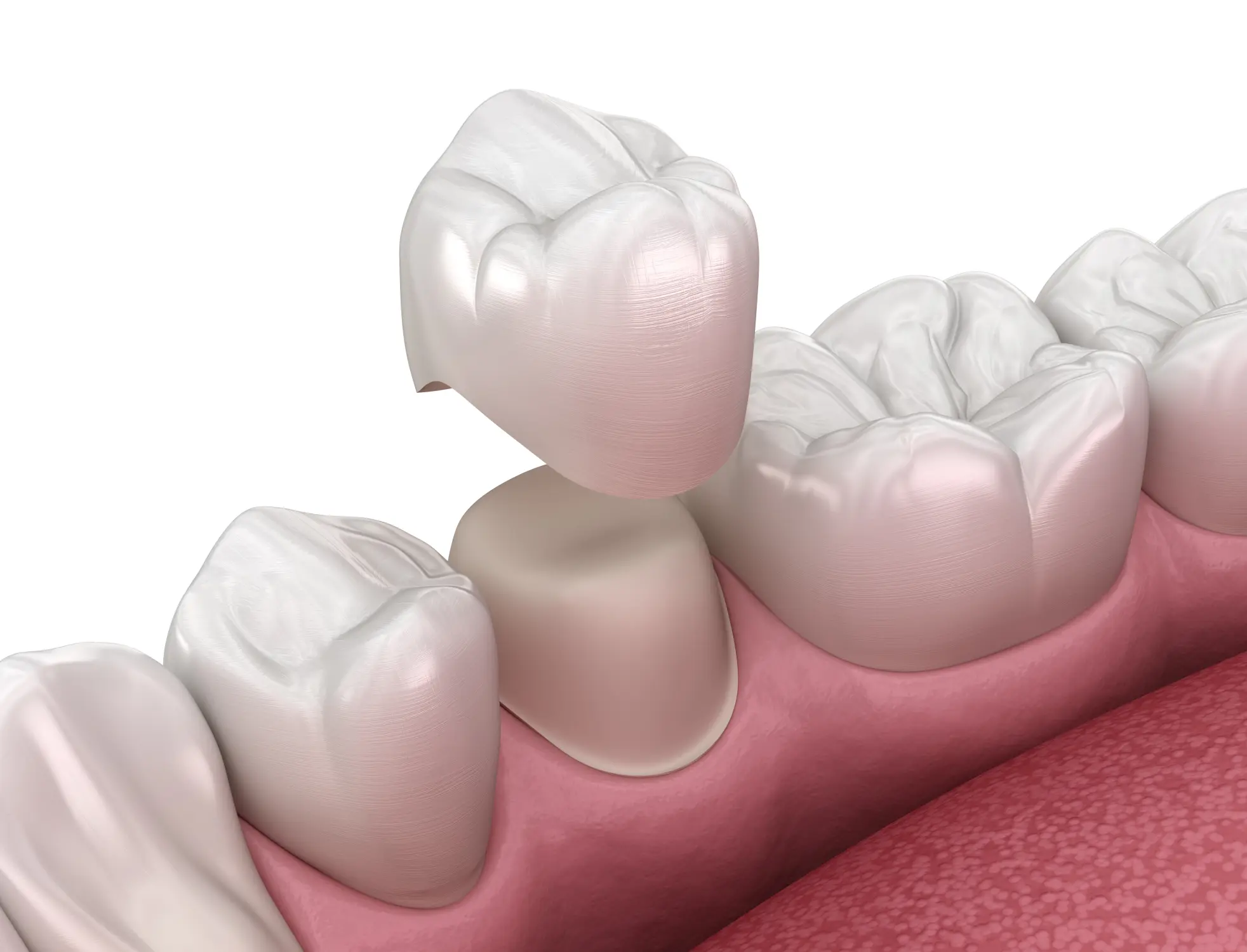
A tooth that's had a root canal usually needs a crown for strength. With same-day crowns, you can often have the tooth fully restored without waiting weeks for a lab. In rare cases where a tooth can't be saved, tooth extractions may be discussed as an alternative.
Recovery and Prevention
Most people return to normal activities the next day. Mild tenderness can be eased with over-the-counter medication as directed by your dentist, and our patient resources can help you prepare. To avoid needing another root canal, keep these habits:
- Brush twice daily: Use fluoride toothpaste to fight decay.
- Floss every day: This removes plaque between teeth where cavities start.
- Visit regularly: Cleanings and exams catch problems early.
- Wear a mouthguard: Protect teeth if you play sports or grind at night.
- Avoid chewing hard objects: Ice and hard candy can crack teeth.
Why Choose The Denver Dentists for Root Canal Therapy
- Experienced leadership: Dr. Kenneth Burson leads a team focused on gentle, thoughtful care.
- Advanced technology: Digital imaging and same-day CEREC crowns streamline your treatment.
- Comfort-first amenities: Ceiling-mounted TVs with streaming, warm towels, and noise-canceling headphones help you relax, and you might even meet our therapy dog.
- A welcoming atmosphere: Our beautifully updated historic building feels more like a neighborhood hangout than a clinical office.
Schedule Your Root Canal Consultation in Denver
A root canal is a comfortable, effective way to relieve discomfort and save your natural tooth. If you suspect an infection, don't wait, because early treatment makes care simpler. Our team is ready to help you feel at ease from the moment you walk in. You can contact our office today to get started.
Ready for root canal therapy in Denver? Reach out to The Denver Dentists and let us help you smile without discomfort.
Related Posts

Root Canal Therapy in Denver: What to Expect and How Pain Is Managed
Clear Aligners in Denver Uptown: What to Expect From Invisible Teeth Straightening
Digital Impressions for Same-Day Crowns in Denver: What to Expect